








 Teenager
 Student
 Career (searching)
 Party!
 On the plane
 Travel friendly
 Day trip
 Postcards
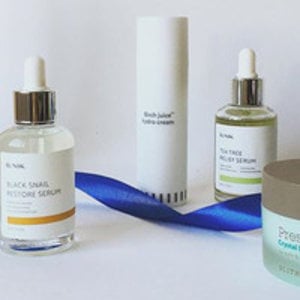 Beauty gifts
 <3 Gift Card
 7-Skin Method
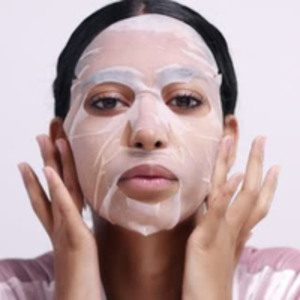 1 Day 1 Mask
 Best of K-beauty
 Face Gym
 Glass skin
 Haru Haru Exclusives
 Fashion & Lifestyle

 1. Cleansing
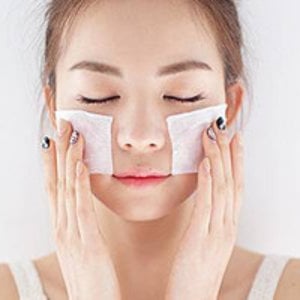 2. Toner
 3. Eye cream
 4. Treatment / Boost
 5. Moisturizer
 6. Sun protection
 6. Night treatments
 Skin type - Normal
 Skin type - Dry
 Skin type - Oily
 Skin type - Combi
 Skin type - Sensitive
 Skin concern - Dehydrated
 Skin concern - Pigmentation
 Skin concern - Acne
 Skin concern - Wrinkles
 How much should I use?
 Applications and handlings
 Sequence and waiting times
 Mask guideline
 Recycle & upcycle
 Natural vs. synthetic
 Clean vs. dirty beauty
 Mineral vs. chemical UV filter
 Open and closed pores
 Oils are bad for oily skin types
 No makeup, no double cleansing
 No sun, no sunscreen
 Scary acids
 Oily skin, no moisturizer
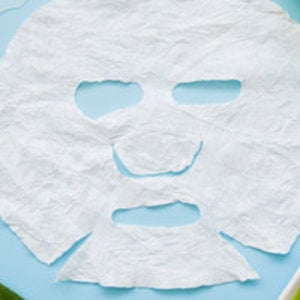 Sheet Masking Tips
 7 Skin Method
 Pigmentations & dullness
 Wrinkles & lines
 Acne & pimples
 Enlarged pores
 Oil control
 ⤷ Sebum production
 Ingredients
 Glossary
 FAQ: kbeauty
 Workshops
 Skintype quiz
 Routine quiz
 Acne quiz














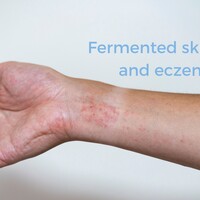

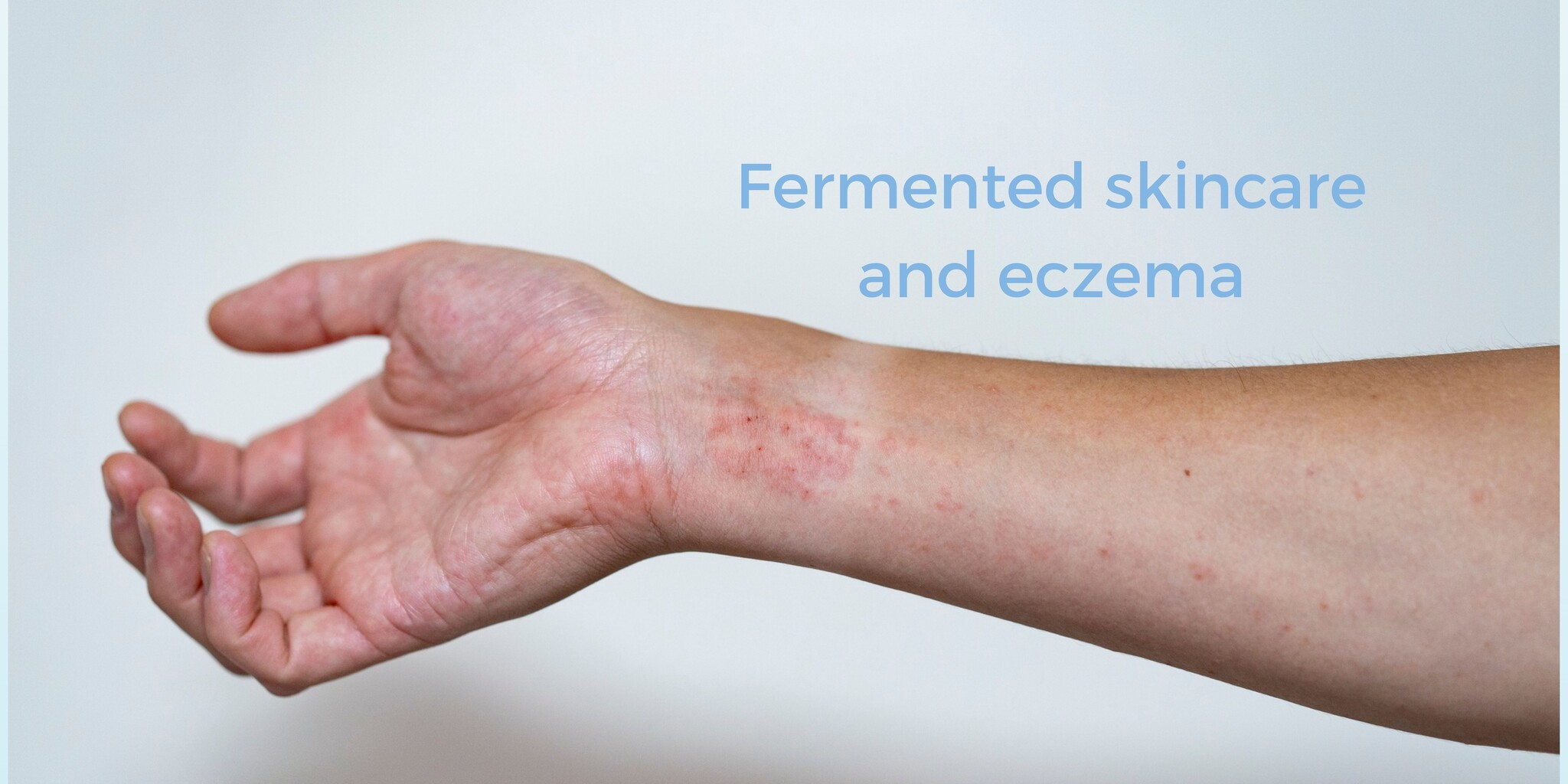
Can fermented skincare help eczema? The science of postbiotics and skin barrier health
Fermented ingredients and eczema
Fermented ingredients are becoming increasingly popular in Korean skincare due to their hydrating, soothing, and skin-strengthening properties. During the fermentation process, ingredients are processed by microorganisms such as bacteria and yeasts. In this process, larger molecules are broken down, giving rise to bioactive substances such as amino acids, peptides, antioxidants, and polysaccharides.
These substances can support the skin in various ways, for instance by improving hydration and strengthening the skin barrier. A review by Lolou and Panayiotidis (2019) describes how fermentation products may influence barrier function, inflammatory responses, and the skin microbiome. However, the exact mechanism varies per ferment, and not every fermented ingredient delivers the same effect.
For people with dry or eczema-prone skin, these properties are particularly interesting. In atopic eczema, the skin barrier is often compromised, causing the skin to lose moisture more quickly and making it more susceptible to irritants and allergens.
Atopic eczema, the skin barrier, and the skin microbiome
Atopic eczema is a chronic skin condition involving multiple factors, including a weakened skin barrier, an overactive immune system, and alterations in the skin microbiome.
Normally, the skin barrier acts as a protective shield that locks in moisture and keeps harmful substances out. In eczema, this barrier functions less effectively, leaving the skin drier and more sensitive.
The skin microbiome also plays a crucial role. It consists of billions of microorganisms that help protect and support the skin. In atopic eczema, this balance is often disrupted: bacterial diversity decreases, and certain bacteria, such as Staphylococcus aureus, can proliferate.
Staphylococcus aureus is commonly found on many people’s skin without causing any issues. However, in individuals with atopic eczema, this bacterium is frequently present in higher amounts, particularly during active flare-ups. An overgrowth can amplify inflammatory responses and further damage the skin barrier.
This creates a vicious cycle: a damaged skin barrier makes the skin more vulnerable to bacterial disruption, while a disrupted microbiome can further weaken the skin.
These insights have sparked increased research into microbiome-focused skincare, aimed at supporting the skin’s natural balance.
Lactobacillus Ferment and Bifida Ferment Lysate
Within Korean skincare, Lactobacillus Ferment and Bifida Ferment Lysate are two well-known fermented ingredients. Both belong to the category of postbiotics: bioactive compounds generated during fermentation. Unlike probiotics, postbiotics do not contain live bacteria.
Lactobacillus Ferment
Lactobacillus is a group of lactic acid bacteria naturally present on and in the human body. In skincare, live bacteria are not used; instead, the beneficial substances produced during fermentation are harvested.
Lactobacillus Ferment is primarily used for its potential to support the skin barrier. Research suggests that certain Lactobacillus ferments can help improve hydration levels and reduce transepidermal water loss.
Additionally, researchers are investigating whether Lactobacillus ferments influence inflammatory processes and the skin microbiome. This makes it an intriguing ingredient for atopic eczema, which is often characterized by a disrupted skin balance and an increase in Staphylococcus aureus.
While Lactobacillus Ferment does not appear to directly eradicate S. aureus, it may help foster a skin environment that better maintains its natural equilibrium.
Bifida Ferment Lysate
Bifida Ferment Lysate is derived from fermented cultures of Bifidobacterium. This process yields substances like amino acids, peptides, and polysaccharides that nourish and support the skin.
A study by Guéniche et al. (2010) examined Bifidobacterium longum lysate in individuals with reactive skin. Researchers observed improvements in skin sensitivity, dryness, and overall resistance to external stimuli.
These findings are particularly compelling for eczema-prone skin, as a weakened barrier and heightened sensitivity are signature traits of atopic eczema. Bifida Ferment Lysate does not appear to exhibit direct antibacterial activity against Staphylococcus aureus; its potential benefits lie predominantly in reinforcing the skin barrier—a healthy barrier being a critical defense against unwanted bacterial disruption.
What does scientific research say?
An increasing body of research focuses on the complex relationship between the skin microbiome, the skin barrier, and atopic eczema. Scientists are looking beyond inflammation alone to understand how the barrier and microorganisms continuously interact.
A systematic review and meta-analysis by Flint et al. (2024) evaluated the effect of topical probiotics on atopic dermatitis. The researchers found that microbiome-focused treatments across various studies helped reduce eczema severity. However, results varied depending on the bacterial strain and product formulation, highlighting the need for further research.
A review by Nowicka et al. (2025) similarly detailed the potential role of microbiome-targeted ingredients in skin disorders associated with dysbiosis. According to the researchers, these ingredients may help strengthen the skin barrier, regulate inflammatory responses, and support healthy interactions between the skin and its native microorganisms.
While current studies are promising, findings from research on specific probiotics or ferments cannot automatically be generalized to all commercial skincare products.
Conclusion
Fermented ingredients such as Lactobacillus Ferment and Bifida Ferment Lysate hold significant promise for dry, sensitive, or eczema-prone skin.
They can potentially contribute to a stronger skin barrier, improved hydration, and a healthier skin environment. In particular, the link between the skin microbiome, the skin barrier, and Staphylococcus aureus continues to be a key focus of modern dermatological research.
However, ferments and postbiotics are not a cure or treatment for eczema. They should primarily be viewed as a supportive addition to a well-rounded skincare routine. For active or severe eczema, medical treatment remains essential.
Scientific References
Lolou V., Panayiotidis M.I. (2019). Functional Role of Probiotics and Prebiotics on Skin Health and Disease. Fermentation, 5(2), 41.
Guéniche A. et al. (2010). Bifidobacterium longum lysate, a new ingredient for reactive skin. Experimental Dermatology.
Flint E. et al. (2024). Topical Probiotics Reduce Atopic Dermatitis Severity: A Systematic Review and Meta-Analysis of Double-Blind, Randomized, Placebo-Controlled Trials.
Nowicka D. et al. (2025). Topical Probiotics as a Novel Approach in the Treatment of Chronic Dermatoses Associated with Skin Dysbiosis: A Narrative Review. International Journal of Molecular Sciences, 26(20), 10195.